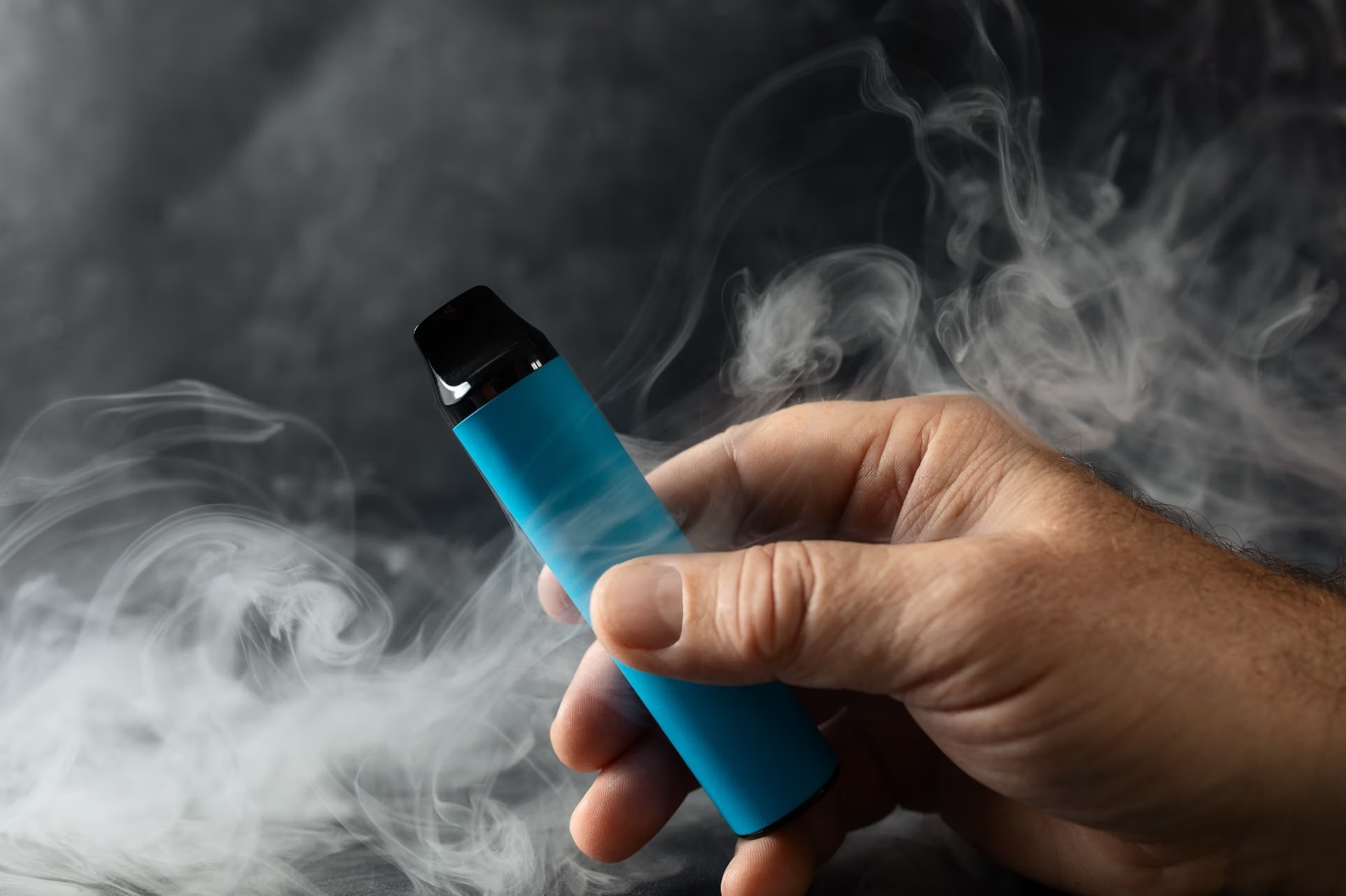
Understanding the Health Impact of Vaping
Explore the comprehensive assessment of vaping, covering both potential health risks and benefits for smokers. Understand the implications of inhaling vapor from electronic cigarettes, including respiratory issues and harmful chemicals in e-liquids. Learn why some researchers view vaping as a harm reduction tool, but with caution due to ongoing studies into its long-term effects. Stay informed and consult healthcare professionals to make educated decisions about vaping.
Health Impact of Vaping – A Complete Guide to Risks, Benefits, and Research in 2026
Introduction
Over the past decade, vaping has emerged as one of the most widely discussed alternatives to traditional smoking. With millions of users worldwide, it has sparked debates among health professionals, researchers, and consumers alike. Understanding the Health Impact of Vaping is essential for anyone considering vaping or currently using vape products.
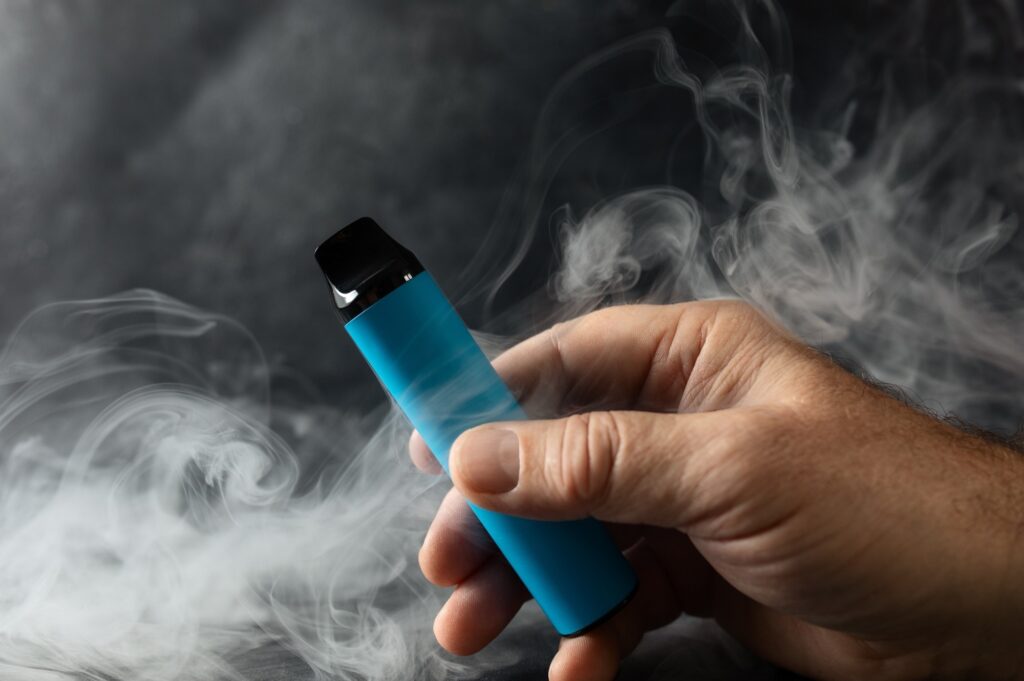
Vaping involves inhaling aerosol (commonly referred to as vapor) produced by an electronic device such as an e-cigarette or vape mod. Unlike traditional cigarettes, vaping does not involve combustion, which significantly changes the chemical exposure profile. However, this does not mean it is completely risk–free.
This in-depth guide explores the Health Impact of Vaping, covering both potential risks and perceived benefits. It aims to provide a balanced, research-based perspective so readers can make informed decisions.
What Is Vaping?
To understand the Health Impact of Vaping, it’s important to first know how vaping works.
Vaping devices heat a liquid (e-liquid) that typically contains:
- Propylene glycol (PG)
- Vegetable glycerin (VG)
- Flavorings
- Nicotine (optional)
When heated, this liquid turns into vapor, which is inhaled into the lungs.
Unlike smoking, vaping eliminates the burning of tobacco. This difference plays a major role in shaping the overall Health Impact of Vaping.
Why the Health Impact of Vaping Is Widely Debated
The discussion around the Health Impact of Vaping continues to evolve due to several factors:
- Limited long-term research data
- Rapid product innovation
- Variability in product quality
- Differences in user behavior
Because vaping is relatively new compared to traditional smoking, scientists are still studying its long-term effects.
Potential Health Risks of Vaping
A critical part of understanding the Health Impact of Vaping involves examining the possible risks associated with its use.
1. Respiratory Issues
Research suggests that vaping may affect lung health. Some users report symptoms such as:
- Coughing
- Wheezing
- Shortness of breath
Certain studies link vaping to respiratory conditions like bronchitis and may contribute to chronic lung issues over time.
2. Exposure to Chemicals
Although vaping generally exposes users to fewer harmful substances than smoking, it still involves inhaling chemicals.
Common substances found in e-liquids include:
- Nicotine
- Formaldehyde (in some cases)
- Diacetyl (linked to lung issues in high exposure)
Understanding these substances is key when evaluating the Health Impact of Vaping.
3. Nicotine Dependence
Nicotine is highly addictive. For users who choose nicotine-containing e-liquids, dependency can develop over time.
Potential effects include:
- Increased heart rate
- Elevated blood pressure
- Difficulty quitting
Nicotine’s role is a major factor in discussions about the Health Impact of Vaping.
4. Cardiovascular Concerns
Some research suggests that vaping may impact heart health. While the risks appear lower than traditional smoking, they are not entirely absent.
Possible concerns include:
- Increased heart strain
- Circulatory effects
- Long-term cardiovascular risks
Short-Term vs Long-Term Effects
The Health Impact of Vaping can vary depending on duration of use.
Short-Term Effects
- Throat irritation
- Dry mouth
- Mild coughing
- Temporary dizziness (from nicotine)
Long-Term Effects
Long-term data is still developing, but potential concerns include:
- Chronic respiratory issues
- Cardiovascular risks
- Ongoing nicotine dependence
Understanding both short- and long-term outcomes is essential when evaluating the Health Impact of Vaping.
Potential Benefits for Smokers
While there are risks, the Health Impact of Vaping also includes potential benefits—especially for smokers.
1. Reduced Exposure to Harmful Chemicals
Traditional cigarettes produce thousands of harmful compounds through combustion. Vaping eliminates many of these substances.
This reduction is one reason some experts consider vaping a harm-reduction tool.
2. Smoking Cessation Support
Many smokers use vaping as a way to transition away from cigarettes.
Benefits may include:
- Gradual nicotine reduction
- Behavioral replacement for smoking habits
- Improved control over intake
3. Improved Respiratory Comfort (for Some Users)
Some former smokers report improvements such as:
- Easier breathing
- Reduced coughing
- Better physical endurance
However, these outcomes vary, and the Health Impact of Vaping should still be approached cautiously.
Comparing Vaping and Smoking
A common question in discussions about the Health Impact of Vaping is how it compares to smoking.
Key Differences
| Factor | Smoking | Vaping |
|---|---|---|
| Combustion | Yes | No |
| Tar Production | High | None |
| Chemical Exposure | High | Lower (but not zero) |
| Odor | Strong | Minimal |
While vaping may reduce exposure to certain harmful substances, it is not completely risk-free.
The Role of Product Quality
Product quality plays a significant role in the Health Impact of Vaping.
High-Quality Products
- Tested for safety
- Transparent ingredient lists
- Manufactured under standards
Low-Quality Products
- Unknown ingredients
- Potential contaminants
- Higher risk of adverse effects
Choosing reputable brands is crucial when considering the Health Impact of Vaping.
Regulation and Safety Trends in 2026
The vaping industry is becoming more regulated, which directly affects the Health Impact of Vaping.
Key Developments
- Stricter manufacturing standards
- Mandatory ingredient disclosure
- Increased product testing
These improvements aim to enhance safety and consumer confidence.
Who Should Avoid Vaping?
Understanding the Health Impact of Vaping also means knowing who should avoid it.
High-Risk Groups
- Non-smokers
- Pregnant individuals
- Adolescents
- People with existing lung conditions
For these groups, the risks may outweigh any potential benefits.
Tips for Reducing Risks
If you choose to vape, you can minimize risks by following these guidelines:
- Use reputable products
- Avoid high nicotine levels if possible
- Maintain your device properly
- Stay informed about new research
These steps can help manage the Health Impact of Vaping.
Future Research and Outlook
The future of research will play a major role in shaping our understanding of the Health Impact of Vaping.
Areas of Focus
- Long-term health studies
- Improved product safety
- Nicotine alternatives
As more data becomes available, recommendations may evolve.
Final Thoughts
The Health Impact of Vaping is complex and continues to be studied. While vaping may offer certain advantages for smokers seeking alternatives, it is not without risks.
The key is informed decision-making. By understanding both the benefits and potential drawbacks, individuals can make choices that align with their health goals.
Always consult healthcare professionals when considering changes to your lifestyle or nicotine use.
FAQ Section
What is the health impact of vaping compared to smoking?
Vaping generally exposes users to fewer harmful chemicals than smoking, but it still carries health risks.
Does vaping damage the lungs?
Vaping may affect lung health and can cause respiratory irritation or long-term issues.
Is vaping safe?
No, vaping is not completely safe, although it may be less harmful than smoking.
Can vaping help you quit smoking?
Some people use vaping as a tool to reduce or quit smoking, but results vary.
Does vaping contain harmful chemicals?
Yes, some e-liquids contain chemicals that may impact health, especially with long-term use.