Understanding E-Liquid Ingredients – A Complete Guide for Vapers in 2026

Introduction
The vaping industry has grown rapidly over the past decade, bringing with it a wide range of devices, styles, and products designed to enhance user experience. Among these, e-liquids play a central role. Whether you are new to vaping or an experienced user, Understanding E-Liquid Ingredients is essential for making informed decisions about what you inhale and how it may affect your overall experience.
E-liquids, also known as vape juice, are the substances vaporized inside electronic cigarettes and vape devices. While they may seem simple at first glance, their composition involves a careful balance of ingredients designed to deliver flavor, vapor, and—if desired—nicotine satisfaction.
This comprehensive guide on Understanding E-Liquid Ingredients will break down each component in detail, explain how they work together, and help you choose high-quality products that align with your preferences and safety expectations.
What Are E-Liquids?
Before diving deeper into Understanding E-Liquid Ingredients, it’s important to define what e-liquids actually are.
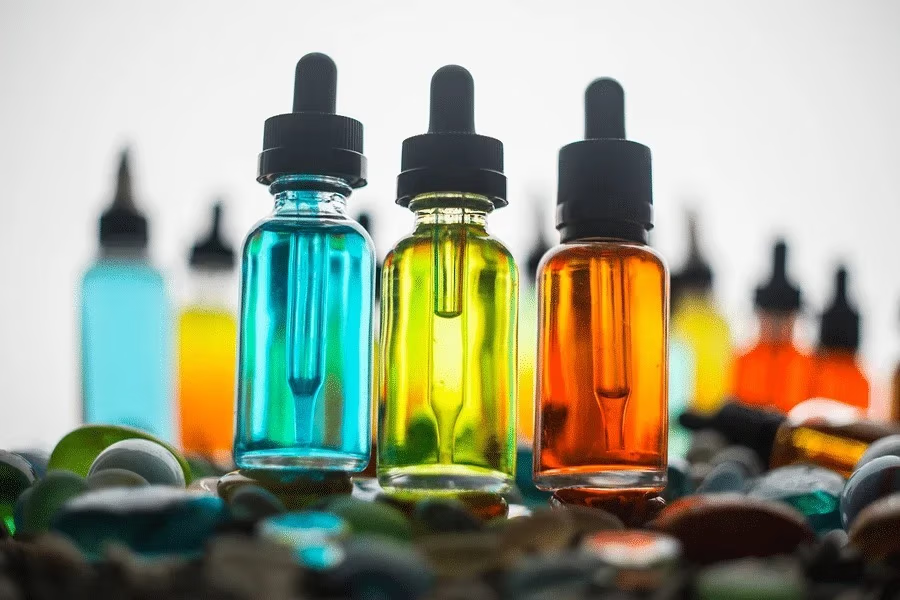
E-liquids are specially formulated fluids used in vaping devices. When heated by a coil, the liquid transforms into vapor, which is then inhaled. Unlike traditional tobacco smoke, this vapor does not involve combustion, which significantly changes the chemical composition of what is inhaled.
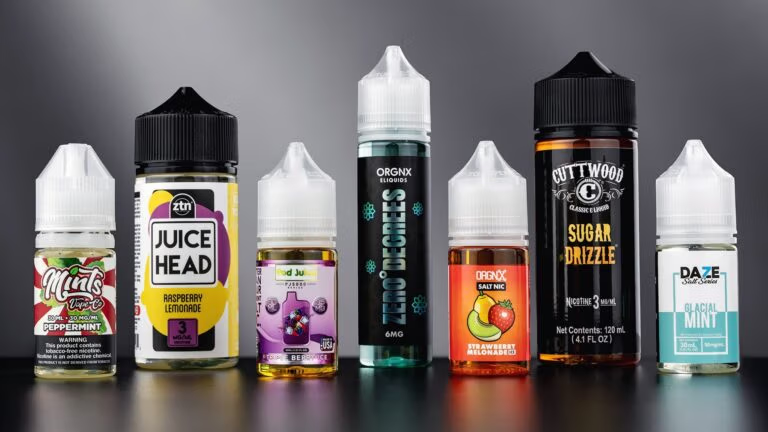
The basic formulation of e-liquids typically includes:
- Base liquids (PG and VG)
- Flavorings
- Nicotine (optional)
- Additives (in some cases)
Each of these components plays a unique role in shaping the vaping experience.
Base Ingredients: Propylene Glycol (PG) and Vegetable Glycerin (VG)
A key part of Understanding E-Liquid Ingredients lies in recognizing the importance of base liquids. Nearly all e-liquids are built upon two primary substances: Propylene Glycol (PG) and Vegetable Glycerin (VG).
Propylene Glycol (PG)
Propylene Glycol is a colorless, odorless liquid that is widely used in food, pharmaceuticals, and cosmetics. In e-liquids, PG serves several important functions:
- Enhances flavor delivery
- Provides a stronger throat hit (similar to smoking)
- Maintains a thinner consistency
PG is particularly popular among users who want a sensation closer to traditional cigarettes. Its ability to carry flavors effectively makes it a vital component when discussing Understanding E-Liquid Ingredients.
Vegetable Glycerin (VG)
Vegetable Glycerin is a natural compound derived from plant oils. It is thicker than PG and contributes to:
- Smooth inhalation
- Dense vapor production
- Slight sweetness in taste
VG-heavy e-liquids are preferred by cloud chasers and those who prioritize smoothness over throat hit.
PG vs VG Ratios
Most e-liquids use a combination of PG and VG, often labeled as ratios such as:
- 50/50 (balanced)
- 70/30 VG/PG (more vapor)
- 30/70 VG/PG (stronger throat hit)
Understanding these ratios is a critical aspect of Understanding E-Liquid Ingredients, as they directly impact flavor, vapor production, and overall satisfaction.
Nicotine: Optional but Significant
Another essential element in Understanding E-Liquid Ingredients is nicotine.
What Is Nicotine in E-Liquids?
Nicotine is a naturally occurring compound found in tobacco plants. In e-liquids, it is included to replicate the experience of smoking or to help users transition away from cigarettes.
Types of Nicotine
- Freebase Nicotine: Traditional form, provides a strong throat hit
- Nicotine Salts: Smoother, absorbed faster, suitable for lower-wattage devices
Nicotine Strengths
E-liquids come in various nicotine levels, including:
- 0 mg (nicotine-free)
- 3 mg to 6 mg (low)
- 12 mg to 18 mg (moderate)
- 20 mg+ (high, often in salt nicotine)
Choosing the right level is a vital part of Understanding E-Liquid Ingredients, especially for those transitioning from smoking.
Flavorings: The Heart of the Experience
Flavor is one of the most appealing aspects of vaping, making it a major focus when Understanding E-Liquid Ingredients.
Types of Flavors
E-liquids come in a wide range of flavor profiles:
- Fruity (mango, berry, citrus)
- Dessert (vanilla, custard, chocolate)
- Menthol (cooling, minty)
- Tobacco (traditional cigarette-like taste)
Are Flavorings Safe?
Most flavorings used in e-liquids are food-grade, meaning they are approved for ingestion. However, inhalation differs from consumption, so it is important to choose reputable brands that test their products.
A key takeaway in Understanding E-Liquid Ingredients is that not all flavorings are created equal—quality matters.
Additional Additives and Enhancers
As the vaping industry evolves, manufacturers continue to innovate. This has introduced additional components into e-liquids, which is another important aspect of Understanding E-Liquid Ingredients.
Common Additives
- Sweeteners: Enhance flavor intensity
- Cooling Agents (Menthol/Koolada): Provide a refreshing sensation
- Thickeners: Improve consistency
- Preservatives: Extend shelf life
While these additives can improve the vaping experience, moderation and transparency are key. Always check ingredient lists when applying your knowledge of Understanding E-Liquid Ingredients.
How Ingredients Affect Your Vaping Experience
A deeper look at Understanding E-Liquid Ingredients reveals how each component influences the overall experience.
Flavor Intensity
Higher PG ratios typically deliver stronger flavors.
Vapor Production
VG-heavy liquids produce thicker clouds.
Throat Hit
Nicotine and PG levels both contribute to the sensation felt when inhaling.
Device Compatibility
Certain devices work better with specific PG/VG ratios, making Understanding E-Liquid Ingredients essential for proper usage.
Safety and Quality Considerations
Safety is a major concern when discussing Understanding E-Liquid Ingredients.
Choose Reputable Brands
Always buy from manufacturers that:
- Provide lab testing results
- Clearly list ingredients
- Follow industry regulations
Avoid Unknown Additives
Low-quality products may contain harmful substances. Being informed about Understanding E-Liquid Ingredients helps you avoid these risks.
Storage Tips
- Keep away from heat and sunlight
- Store in child-safe containers
- Avoid expired products
Trends in E-Liquid Formulation (2026)
The future of vaping continues to evolve, making Understanding E-Liquid Ingredients more relevant than ever.
Innovations Include:
- Nicotine alternatives
- Organic flavoring compounds
- Reduced additive formulations
- Enhanced safety testing
These advancements aim to improve both user experience and product safety.
How to Choose the Right E-Liquid
When applying your knowledge of Understanding E-Liquid Ingredients, consider:
- Your desired nicotine level
- Preferred flavor profile
- Device compatibility
- PG/VG ratio
Making informed choices ensures a better and safer vaping experience.
Final Thoughts
Understanding E-Liquid Ingredients is essential for anyone involved in vaping. From base components like PG and VG to optional elements like nicotine and flavorings, each ingredient plays a crucial role in shaping the experience.
By learning what goes into your e-liquid, you gain control over your vaping journey—allowing you to prioritize safety, flavor, and satisfaction.
FAQ Section
What are the main components in e-liquids?
The primary components include Propylene Glycol (PG), Vegetable Glycerin (VG), flavorings, and optional nicotine.
Is nicotine necessary in e-liquids?
No, nicotine is optional. Many users choose nicotine-free options.
Are e-liquid flavorings safe?
Most are food-grade, but it’s important to choose reputable brands for safety.
What is the best PG/VG ratio?
It depends on your preference—higher VG for clouds, higher PG for flavor and throat hit.
Can I mix different e-liquids?
Yes, but ensure compatibility in nicotine strength and PG/VG ratios.